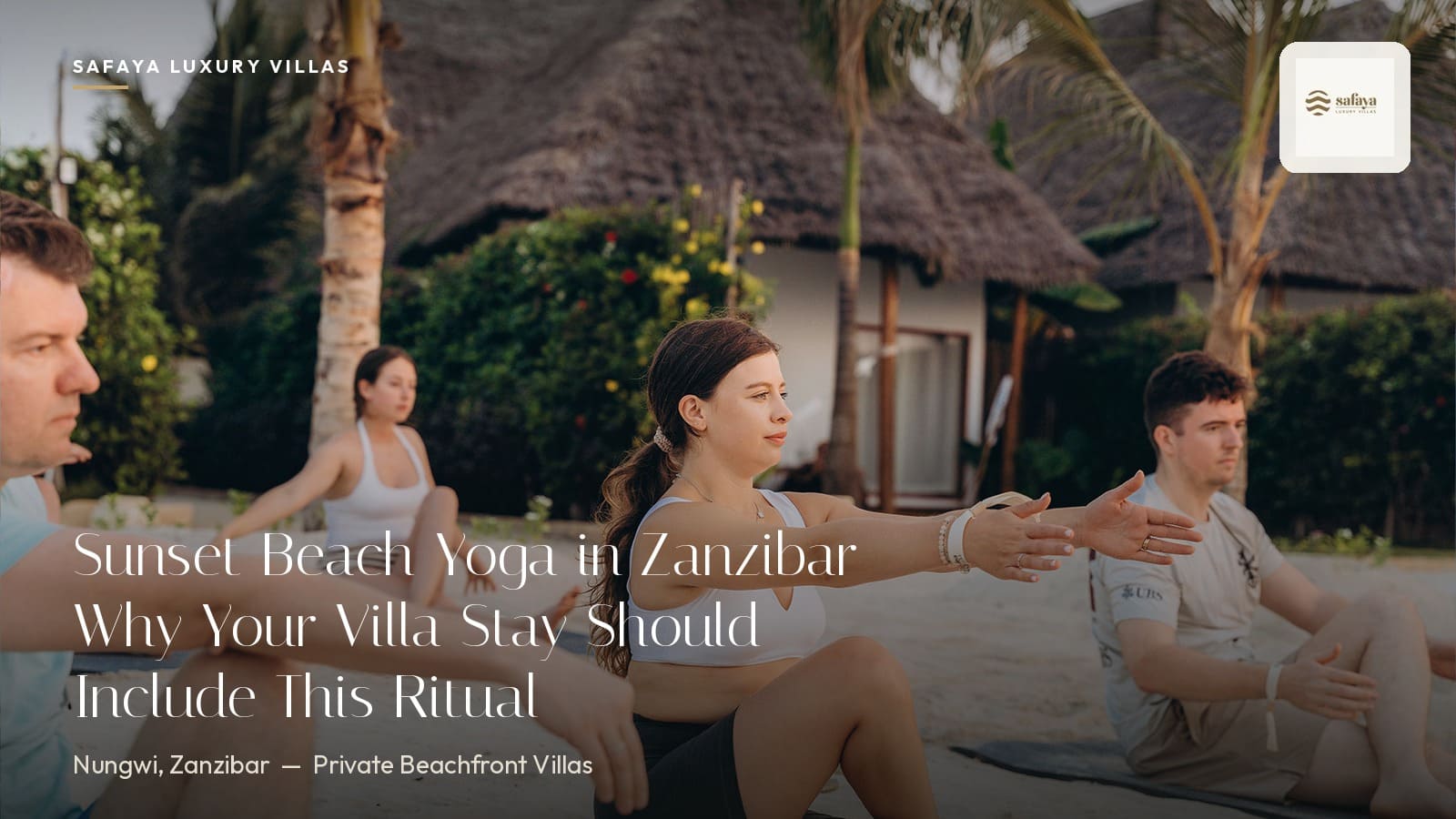
There’s a moment on almost every guest’s first full day with us when they ask the same question, usually over breakfast, usually still a little sun-dazed: “So what should we actually do here?” It’s a fair question. Zanzibar isn’t the kind of island where you just lie on a lounger for a week and call it a holiday — though you certainly could. It’s an island with spice farms tucked into the interior, dhows that have been built the same way for centuries, a UNESCO-listed Stone Town with alleyways that fold back on themselves, and a reef system that turns the water three different shades of blue before lunch. The trick isn’t finding things to do. It’s choosing the right ones, and doing them without the crowds, the rushed itineraries, or the beat-up minivans that so many tour operators still use.
That’s really what “luxury” means when we talk about tours and trips in Zanzibar. It’s not about gold-plated anything. It’s about pace, privacy, and having someone who actually knows the island planning the day for you.
Why Zanzibar Rewards a Slower Kind of Travel
Most first-time visitors arrive with a checklist: Stone Town, a spice tour, maybe Prison Island, a sunset cruise if there’s time. Nothing wrong with that list. But we’ve watched enough guests come back exhausted from group tours — packed into shared vehicles, shuffled between stops on someone else’s schedule — to know that the checklist approach often misses the point of being here.
The island rewards travelers who slow down. A spice farm visit feels completely different when your guide has time to actually explain how vanilla is hand-pollinated, rather than rushing you past twelve plants in twenty minutes. A boat trip feels different when the captain can change course because you spotted dolphins, instead of sticking rigidly to a group timetable. Private, well-paced tours cost a little more, but they’re the difference between seeing Zanzibar and actually experiencing it.
Stone Town: History You Can Smell and Touch
Stone Town is where most tours begin, and for good reason. Walking through its narrow streets, past the carved wooden doors that Zanzibari families have used for generations to signal status and history, is like stepping into a living museum that nobody bothered to rope off. A good guide will take you past the old slave market and memorial, through the spice markets where the air genuinely changes from stall to stall, and down to the waterfront where fishermen still haul in the day’s catch by hand.
The best version of this tour happens early, before the cruise-ship crowds arrive and while the light is still soft enough for photographs that don’t look like everyone else’s. We often arrange for guests to start at sunrise with a local historian rather than a generic guide, which tends to turn a one-hour walk into a genuinely memorable morning.
Spice Tours: Zanzibar’s Original Export
Long before it was known for beaches, Zanzibar was known for cloves, nutmeg, cardamom, and black pepper — the “Spice Island” reputation isn’t marketing, it’s history. A private spice tour usually means wandering through a working farm just outside Stone Town, tasting things straight off the branch, and learning how these plants shaped the island’s economy and its trade routes for hundreds of years. Most tours end with a simple, home-cooked lunch using ingredients picked that same morning, which sounds like a small thing until you’re actually eating it.
Zanzibar Boat Tours and Trips: The Best Way to See the Coastline
If there’s one experience we’d genuinely tell every guest not to skip, it’s getting out on the water. The coastline here is honestly better appreciated from a boat than from the sand, and a well-timed sunset cruise past Mnemba Atoll is the kind of thing people talk about years later. For anyone weighing up their options, our guide to Zanzibar boat tour & trips breaks down the different routes and experiences we arrange for guests, from private dhow charters to full-day snorkeling excursions.
A few of our favorites:
- Sunset dhow cruise — a traditional wooden sailboat, drinks on board, and a front-row seat as the sky turns orange over the Indian Ocean.
- Safari Blue — a full-day trip combining snorkeling, a sandbank stop, and a seafood lunch cooked on the boat.
- Mnemba Atoll snorkeling — some of the clearest water on the island, home to turtles and an enormous variety of reef fish.
- Dolphin excursions off Kizimkazi — early morning trips to the island’s south, where pods of dolphins are a near-daily sighting.
Booking these privately rather than joining a shared boat makes a real difference. You’re not waiting on eight other people to finish snorkeling before the boat moves on, and the captain can actually adjust the day around what you want to see.
Prison Island and the Giant Tortoises
A short boat ride from Stone Town, Prison Island (officially Changuu) is home to a colony of giant Aldabra tortoises, some of them well over a hundred years old. It’s a strange, slightly wonderful stop — walking among animals that were alive before your grandparents were born, in the ruins of a former quarantine station. Most guests combine this with a Stone Town tour or a boat trip, since it sits conveniently on the route.
Nakupenda Sandbank: A Private Island for an Afternoon
At low tide, a stretch of pure white sand emerges from the ocean south of Stone Town, disappearing again a few hours later. Nakupenda — which translates roughly to “I love you” in Swahili — is one of those places that photographs don’t quite do justice to. A private trip out here, timed properly around the tides, usually includes a fresh seafood barbecue set up right on the sand, with nothing around you but water in every direction.
Jozani Forest: Home of the Red Colobus
For a change of pace from the coast, Jozani Forest is Zanzibar’s last significant patch of tropical forest and home to the red colobus monkey, found nowhere else on earth. A guided walk through the mahogany trees, with monkeys moving overhead, is a genuinely different side of the island from the beaches most people associate with Zanzibar.
Planning Your Tours Around Where You Stay
One thing we’ve learned after years of arranging these experiences for guests: the tours feel completely different depending on where you’re based. Staying in luxury villas Zanzibar travelers actually recommend to each other means your day can start and end without a long, tiring transfer. Guides and boat captains come to you. Lunch after a spice tour can happen back at the villa instead of a tourist restaurant. And after a full day on the water, there’s a private pool and your own stretch of beach waiting, rather than a shared hotel lobby.
We build most of our guests’ itineraries around this idea — mixing one or two active days (a boat trip, a Stone Town tour) with slower days spent entirely at the villa, so nobody comes home needing a holiday to recover from their holiday.
A Few Honest Tips Before You Book
- Book boat trips a day or two ahead, especially in peak season (July–September and December–January), since the good captains and smaller boats fill up fast.
- Ask whether a tour is private or shared before booking. The price difference is often smaller than people expect, and the experience difference is enormous.
- Check the tide times if a sandbank or reef visit is on your list — these spots genuinely disappear at high tide, so timing matters more than most tour brochures let on.
- Leave at least one day unplanned. Zanzibar has a way of making you want to just stay at the villa, and that’s not a failure of planning — it’s kind of the point.
If you’re putting together your own Zanzibar itinerary and want a hand figuring out which tours suit the pace of your trip, get in touch with us directly. We arrange most of these experiences ourselves, with guides and boat operators we’ve worked with for years, and we’re always happy to build a day around what you actually want to see rather than what’s easiest to sell.